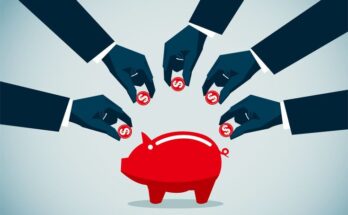
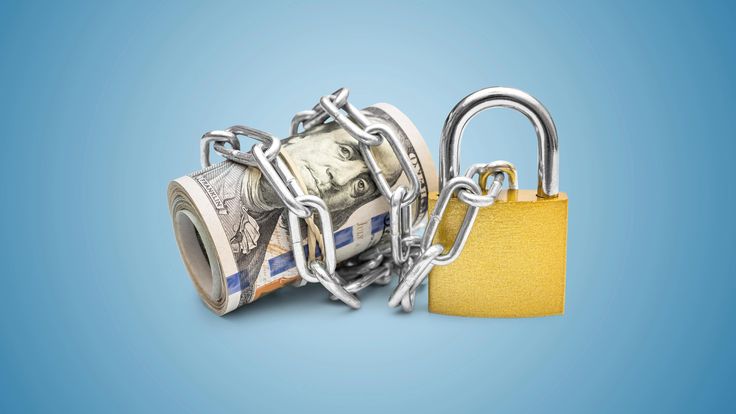
We live in the most convenient era in human history. Groceries arrive at our door within hours. Movies stream instantly. Transportation, food, banking, and entertainment sit inside a device that fits in our pocket. On the surface, this feels like progress. And in many ways, it is. But beneath the ease and efficiency lies a quiet financial tradeoff that few people stop to examine. The real danger is not in luxury purchases or reckless spending sprees. It is in the subtle, daily cost of staying comfortable.
Comfort has become a subscription.
The Modern Convenience Trap
The financial drain of convenience rarely announces itself loudly. It does not look like a financial crisis. It looks like a $7 delivery fee. A $12 streaming subscription. A slightly upgraded data plan. A premium membership that saves you “time.” A ride-hailing trip instead of public transport because you are tired. Individually, these decisions feel harmless. Collectively, they form a lifestyle structure that steadily consumes your earning power.
Technology has removed friction from spending. With one click, money leaves your account. With auto-renew turned on, subscriptions continue without conscious approval. With stored payment methods, purchases bypass the psychological pause that once came with counting physical cash.
The result is not dramatic overspending. It is silent, continuous leakage.
Why Comfort Feels Justified
The most dangerous expenses are the ones we can rationalize. We tell ourselves we deserve convenience because we work hard. We convince ourselves that time saved is worth any price. We frame delivery fees as productivity tools. We justify upgrading devices because we “use them every day.”
There is truth in these arguments. Time does have value. Quality tools can improve efficiency. The problem arises when comfort stops being strategic and becomes automatic.
Automatic comfort is expensive because it removes evaluation. When you stop asking whether something is necessary, you stop managing tradeoffs. Financial growth depends on intentional tradeoffs. Comfort eliminates them.
Small Expenses, Large Consequences
Most people underestimate the compounding effect of recurring convenience costs. A modest daily habit can quietly reshape a decade of finances. When convenience becomes routine, it reduces the surplus that could have been invested, saved, or used to create assets.
The tragedy is not that convenience exists. The tragedy is that many people fund it with money that should have been building their future.
Money that could compound becomes consumption.Money that could generate returns becomes recurring expense.
Money that could buy freedom buys comfort instead.
The Illusion of Affordability
Modern payment systems make almost everything feel affordable. Monthly pricing structures disguise total cost. Zero-interest installment plans encourage upgrades. Buy-now-pay-later options normalize delayed consequences.
When expenses are broken into small monthly fragments, the brain struggles to perceive their cumulative weight. A $20 monthly service does not feel like $240 per year. Five small subscriptions do not feel like $1,200 annually. Over ten years, that becomes $12,000 without accounting for lost investment growth.
Comfort is not expensive because of one large purchase. It is expensive because of uninterrupted continuation.
Convenience and Lifestyle Inflation
As income rises, so does comfort. This phenomenon, often called lifestyle inflation, is socially reinforced. Better income leads to better apartments, better transportation, better technology, better experiences. None of these upgrades are inherently wrong. The danger lies in upgrading automatically instead of intentionally.
When every income increase is absorbed by comfort upgrades, financial capacity stagnates. Net worth does not rise proportionally with earnings. Stress remains high despite higher income. People feel wealthier but not freer.Comfort expands to match income. Financial independence retreats further into the distance.
The Psychological Cost of Ease
Convenience also changes behavior. When effort disappears, consumption increases. Food delivery apps encourage ordering more frequently. Streaming platforms increase viewing time. Ride-hailing reduces walking. One-click shopping increases impulse purchases.
Ease removes resistance. Resistance once acted as a filter. Driving to a store forced reflection. Carrying cash created awareness. Waiting days for shipping limited impulse buying. Friction protected finances.
Today, friction is engineered out of the system. The result is higher frequency spending without higher perceived cost.Over time, convenience reshapes habits. Habits reshape financial outcomes.
Comfort Versus Freedom
There is a critical distinction between comfort and freedom. Comfort feels good now. Freedom protects your future. Comfort is immediate gratification. Freedom is delayed security.
When people consistently choose comfort over freedom, they trade long-term stability for short-term ease. This trade is rarely explicit. It is embedded in daily routines.
Financial freedom is built from margins. Margins come from disciplined allocation. Disciplined allocation requires resisting some comfort.This does not mean living in deprivation. It means understanding that every recurring comfort has a long-term opportunity cost.
The Opportunity Cost Few Calculate
Opportunity cost is the most invisible expense in personal finance. It represents what your money could have earned if invested rather than spent.
If convenience costs you $300 per month, that is $3,600 per year. Invested consistently over twenty years at a moderate return, that amount can grow significantly. The lost future value is not visible on your bank statement. It is invisible wealth that never had the chance to exist.
This is the true hidden cost of comfort. It is not the present expense. It is the future wealth that disappears before it is ever created.
Social Pressure and Normalized Spending
Another factor that amplifies convenience spending is normalization. When everyone subscribes to multiple services, frequent dining out, and constant upgrades, it feels standard. Social media reinforces curated lifestyles that appear effortless and abundant.
What is rarely shown is the underlying financial strain. Credit card balances, minimal savings, and long-term insecurity do not appear in curated feeds.
Comfort-driven spending is socially validated. Disciplined restraint is often invisible.The result is collective financial fragility masked by individual convenience.
When Convenience Becomes Dependency
Over time, comfort can become dependency. People begin to feel inconvenienced by tasks that were once normal. Cooking feels burdensome. Waiting feels unacceptable. Budgeting feels restrictive.
When basic self-sufficiency declines, spending rises. Dependency increases vulnerability. If income drops, convenience-dependent lifestyles become difficult to maintain. Financial resilience weakens.
True financial strength includes adaptability. If your lifestyle requires constant convenience spending to function smoothly, your financial stability becomes fragile.
Reclaiming Financial Intentionality
Escaping the hidden cost of comfort does not require rejecting modern life. It requires intentional evaluation. Every recurring expense should answer a simple question: Does this meaningfully improve my life relative to its long-term cost?
Some conveniences genuinely enhance productivity or well-being. Others merely fill boredom or reduce minor discomfort. The difference matters.Financial growth accelerates when spending aligns with values rather than impulse. Intentional comfort is sustainable. Automatic comfort is corrosive.
The Power of Strategic Friction
Interestingly, adding small amounts of friction back into spending habits can dramatically improve financial outcomes. Waiting before non-essential purchases. Reviewing subscriptions quarterly. Cooking more often. Using cash for discretionary categories. These actions reintroduce awareness.
Awareness creates control. Control creates margin. Margin creates freedom.The goal is not to eliminate comfort but to ensure comfort does not quietly dominate your financial structure.
Comfort Should Be a Reward, Not a Default
There is nothing inherently wrong with enjoying modern convenience. The danger lies in allowing it to become the baseline expectation. When comfort is default, satisfaction declines and costs rise.
When comfort is intentional and occasional, it feels rewarding. When it is constant, it becomes invisible and financially draining. Financial maturity involves distinguishing between what is pleasant and what is necessary. The more precise that distinction becomes, the stronger your financial trajectory.
The Long-Term Perspective
Your financial future is shaped less by dramatic events and more by daily patterns. Everyday convenience shapes those patterns. The apps you use, the subscriptions you maintain, the upgrades you justify, the services you automate — these form the architecture of your spending life.
If that architecture prioritizes comfort without limit, wealth struggles to accumulate. If it prioritizes intentional allocation, wealth compounds steadily.
In the end, the hidden cost of comfort is not about money alone. It is about tradeoffs. Every dollar spent on convenience is a dollar that cannot build security, invest in opportunity, or accelerate independence.
Comfort feels harmless because it is subtle. But subtle forces, applied consistently over time, create powerful outcomes.The question is not whether convenience is good or bad. The question is whether it is serving your future or quietly sabotaging it.
If comfort is consuming your margins, it is costing more than you think.And the price is being paid by your future self.